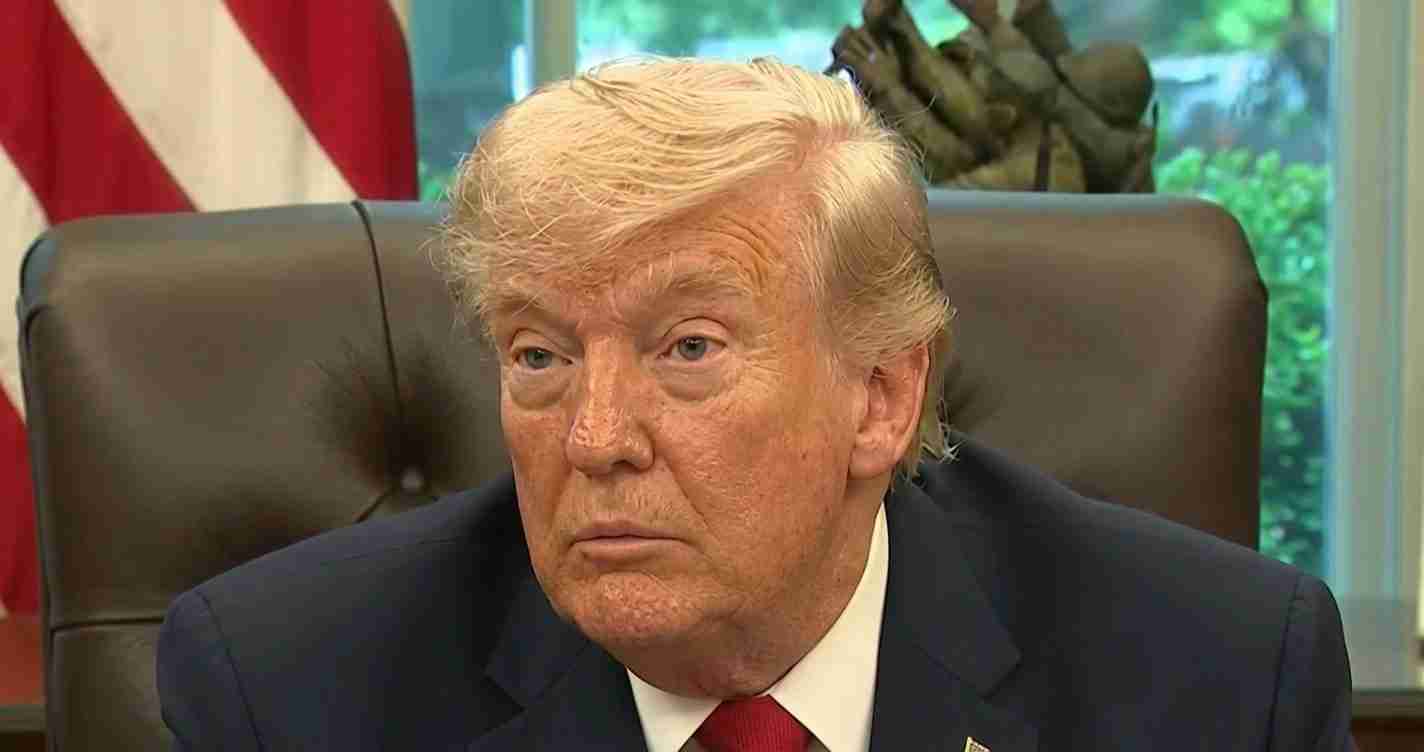
Texas National Guard deploys 200 troops to Illinois for 60-day federal protection mission amid protests and legal fight
About 200 Texas National Guard troops have deployed to Illinois for an initial 60-day federal protection mission near an ICE facility in Broadview, arriving amid protests and a legal challenge from Illinois officials and Chicago’s mayor.
Key takeaways
- Approximately 200 Texas Guard members arrived for an initial 60-day federal protection mission safeguarding federal personnel and property near the Broadview ICE facility.
- Local leaders filed suit: Illinois and Chicago argue the deployment is unlawful; a federal judge set a deadline for the administration to respond.
- Federal defense: The Pentagon says the mission is legal and limited to protecting federal facilities, not replacing local police.
- Broader debate: The move intensified national conversations about federal use of Guard troops and potential political motivations.
What the deployment is and where troops are based
The Pentagon described the assignment as a federal protection mission to guard federal personnel and property in and around the Chicago area for up to 60 days. Approximately 200 Texas National Guard members began the mission and were reported staged at an Army base near Chicago after arriving in the region (see Fox News; Sky News).
Why the deployment was ordered
Federal authorities said protests around an Immigration and Customs Enforcement (ICE) facility in Broadview had escalated, including reports that federal agents were boxed in and rammed by several vehicles — incidents cited by DHS and law-enforcement leaders as justification for additional protection.
The Department of Homeland Security and other federal officials requested extra security citing safety concerns for personnel working at the facility.
Local leaders’ objections and the legal challenge
City and state leaders immediately pushed back. Chicago Mayor Brandon Johnson called the operation “illegal, unconstitutional, dangerous, and wrong”, warning it could inflame tensions between residents and federal agents. Governor JB Pritzker accused the federal government of using troops as “political props”.
Illinois and Chicago filed a lawsuit seeking to block the deployment, arguing the federal government overstepped by deploying a state National Guard unit outside its home state without proper consent. Court filings prompted a federal judge to set a deadline for the administration to respond and scheduled further proceedings (Military Times).
Federal stance and Washington reaction
Pentagon officials defended the deployment as lawful and necessary to protect federal property and staff. The 60-day notice is part of the federal response to increased activity at the Broadview ICE facility, according to Pentagon statements (reported by Fox News).
Supporters say such deployments secure sensitive federal sites; critics view them as politically motivated and potentially escalatory.
Political implications and national debate
The deployment sharpened national debates over the use of National Guard forces, federal authority, and local control. Some Republican figures, including Texas Gov. Greg Abbott, praised the action as putting “America first,” while many Democratic leaders warned against a precedent of sending out-of-state troops to politically opposed cities.
Legal experts and civil-rights advocates are watching whether the case will clarify if the federal government can order a state Guard unit to operate in another state without that governor’s consent. The discussion has drawn comparisons to debates over the Insurrection Act, though that law has not been invoked.
The protests: what’s happening on the ground
Anti-immigration demonstrations at the Broadview ICE facility have grown in recent weeks. Protesters and federal agents have had confrontations, with reports of blocked access and at least one vehicle-related incident that officials described as concerning. Local organizers say they are exercising the right to protest immigration policies and to call for humane treatment of migrants.
Military presence and rules of engagement
Texas National Guard members are assigned to protect federal property and personnel, a role that typically includes guarding facilities and securing perimeters. Under federal orders, Guard members follow Department of Defense rules of engagement and are not meant to perform local law-enforcement crowd control — a boundary officials emphasize to avoid constitutional and civil-rights issues (Military Times).
Source links and reporting
- Fox News: “Texas National Guard deploys 200 troops to Illinois for federal protection mission amid protests”
- Military Times: “Texas National Guard members arrive in Illinois”
- Sky News: “Hundreds of Texan National Guard troops arrive at army base near Chicago”
Implications for Sonoma, California
Though distant, the deployment has potential ripple effects in Sonoma:
- Economic: Sonoma’s tourism and wine industries rely on perceptions of safety; national coverage of federal deployments and tensions around ICE facilities could impact traveler decisions.
- Political: California leaders may interpret the move as part of a broader pattern of federal intervention in blue-state cities, influencing local debates on state sovereignty and Guard control.
- Social: Immigrant communities in Sonoma could experience increased anxiety, prompting greater demand for legal aid and community reassurance programs.
- Practical: Local officials should review emergency messaging, community outreach, and plans to support immigrant residents and Guard families.
Legal and civic lessons
The Illinois lawsuit may set precedents about federal authority over state Guard units. Sonoma’s legal and civic leaders should monitor the case for implications on future state-federal disputes and the use of military forces near civilian protests.
Conclusion
“The deployment raises urgent questions about the boundary between federal protection of government assets and local control of security forces,” legal observers say.
As the 60-day mission proceeds and legal challenges move through the courts, local officials, advocates and residents — from Illinois to Sonoma — will be watching for outcomes that could shape how National Guard forces are authorized and used across state lines.