Trump orders nuclear testing to begin after Russia tests new missiles, cites China’s expanding arsenal
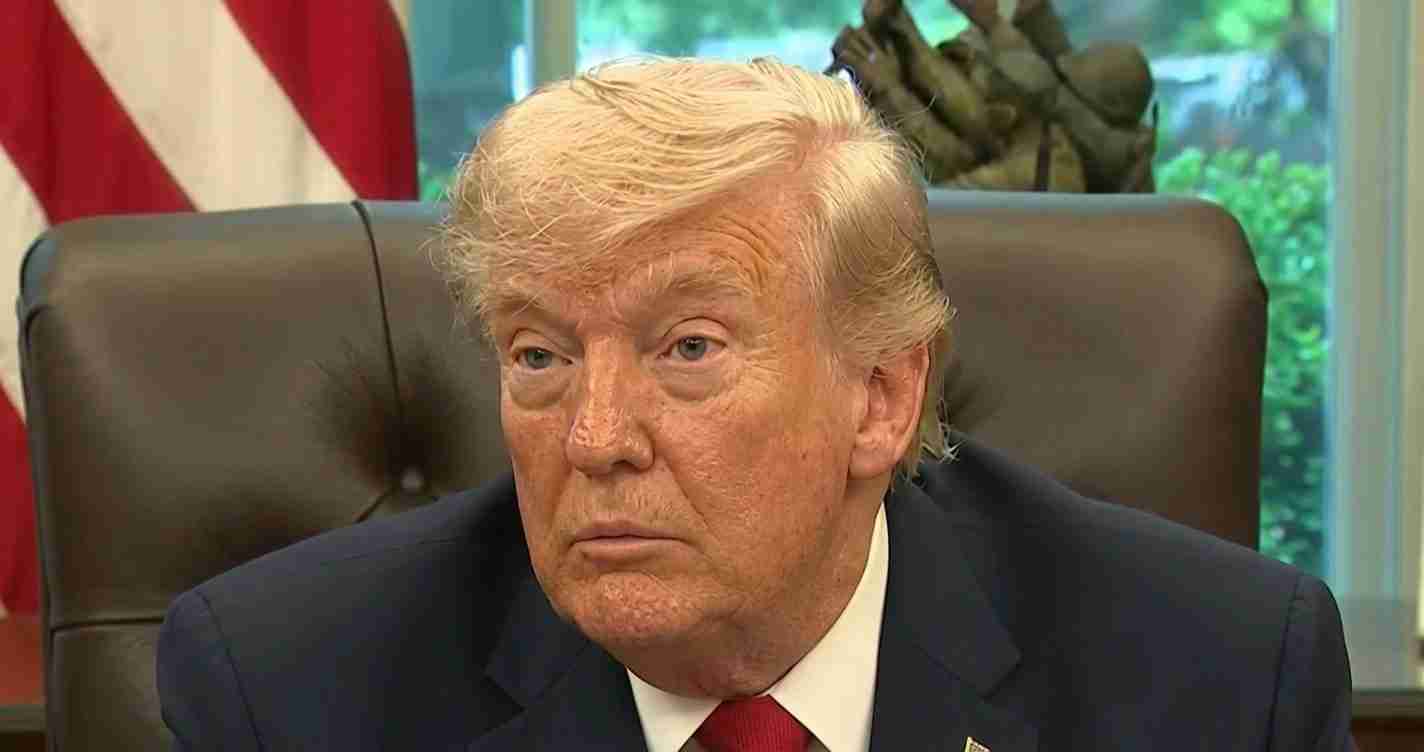
President Donald Trump ordered the Pentagon to begin testing U.S. nuclear weapons, citing Russian missile tests and China’s growing arsenal — a decision that could end the decades‑long moratorium on detonations and ignite intense international debate.
Key takeaways
- Trump ordered the Pentagon to begin testing nuclear weapons, saying it would put the United States “on an equal basis” with other nuclear powers — Times Media Service.
- The announcement was posted on the president’s social media page shortly before his meeting with Xi Jinping at the APEC summit in South Korea.
- Trump cited Russia’s test of a nuclear‑powered cruise missile (NATO name “Skyfall”) and China’s expanding stockpile as reasons to resume testing — see The American Legion summary.
What the president ordered and why
President Trump’s directive told the Pentagon to “begin testing” U.S. nuclear weapons. He framed the move as necessary to keep pace with Russia and China and posted the order on his social media page shortly before a summit with Xi Jinping at APEC in South Korea — reporting summarized by Times Media Service.
“On an equal basis” — the president’s phrase describing the intended effect of resumed testing.
What “testing” usually means — and what happened in Russia
Historically, nuclear testing has meant an explosive detonation to measure yield, effects and reliability. The U.S. last conducted a full-scale test in 1992; Russia’s last detonation was in 1990 and China’s in 1996 — context detailed by The American Legion.
Important distinction: Russia’s recent test involved a nuclear‑powered propulsion system for a cruise missile (often discussed as the Burevestnik/Skyfall), which did not involve a nuclear warhead detonation and raises different technical and legal questions than an explosive test.
Legal and diplomatic context: the CTBT and a global moratorium
The Comprehensive Nuclear‑Test‑Ban Treaty (CTBT) bans all nuclear explosions but has never entered into force. Major powers have signed but not ratified the treaty. Since the early 1990s, most nuclear states observed a de facto moratorium on explosive tests — background from Times Media Service.
If the U.S. conducts detonations, it would mark a major policy reversal, likely prompting swift international criticism, complicating arms control negotiations and encouraging other states to reassess their moratoria.
Military and technical steps needed to test
A return to explosive tests would require significant planning by the Pentagon and national laboratories: device preparation, selection and preparation of test sites, environmental and safety protocols, monitoring systems and public‑safety measures. No public schedule or location has been announced; officials have provided limited detail, per The American Legion reporting.
Uncertainty amid a shutdown and sparse official comment
The announcement came during a partial federal shutdown. Key agencies were slow to respond, leaving open questions about coordination, legal review, and whether Congress will be consulted. The lack of immediate clarification has raised concerns among observers and lawmakers.
Environmental and public‑health considerations
Nuclear detonations carry environmental risks, including local radioactive fallout and longer-term contamination. Even underground tests generate seismic signals and can release materials. A resumption of tests would likely trigger environmental reviews, public-health assessments and demands for international monitoring and transparency.
Global response and the wider picture
Official responses from other governments were not fully reported at the time of the announcement. Analysts warn a U.S. move to resume detonations could strain relations with allies, hinder arms-control talks and affect the stability of nuclear deterrence. The administration emphasized concerns about Russia and China’s weapons programs — reporting available at The American Legion.
Implications for Sonoma, California
Although any detonations would likely occur far from populated areas, residents of Sonoma County may experience economic, political and social effects tied to broader national policy shifts and geopolitical risk.
Economic impact
Sonoma County’s economy—reliant on tourism, wine production and small businesses—could face indirect effects. International visitors might reassess travel plans, markets could react to increased geopolitical risk, and local businesses could feel indirect economic pressure.
Political consequences
Local officials and voters are likely to seek information and safety assurances. California’s congressional delegation could pursue oversight, environmental protections or renewed arms-control measures. The issue may surface in local campaigns and community forums.
Social and public‑health effects
Even if tests are remote, anxiety about safety and the environment could rise. Health providers and county agencies may receive questions about radiation risk and emergency planning; public-health communications would be important to explain protections and monitoring.
Cultural relevance
Sonoma’s emphasis on conservation and sustainability makes renewed nuclear detonations especially contentious for community groups, environmental organizations and faith communities, many of which may organize responses or calls for diplomacy.
Practical applications for residents
Residents should stay informed through official federal and state channels. Local emergency management is the primary contact for immediate guidance. For now, the president’s order directs preparations rather than signaling an imminent detonation; look for statements from the Department of Defense and federal agencies.
What to watch next
- Formal guidance from the Pentagon on scope, timing and locations for testing.
- Legal reviews related to the CTBT and U.S. law, and potential congressional action or hearings.
- Briefings from environmental and public‑health agencies and official responses from allies and adversaries.
Sources and further reading
Reporting summarized from Times Media Service and The American Legion information center. The Legion’s summary links the president’s social media post, the history of nuclear testing moratoria and context on Russia’s recent missile test.